
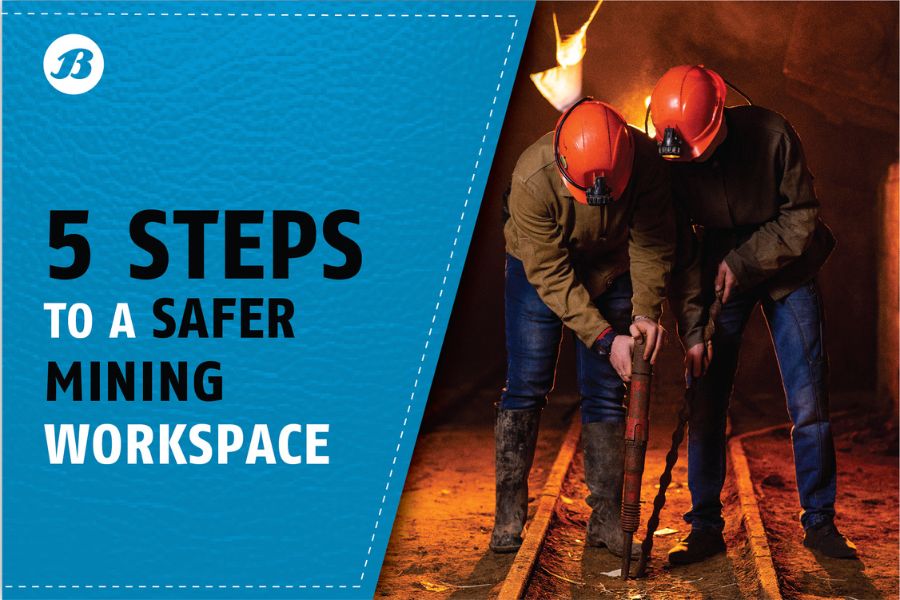
Mining is a demanding and hazardous industry, with workers exposed to numerous risks daily. Ensuring a safer mining workspace is essential for protecting the well-being of miners and minimizing accidents. One critical aspect of safety in mining is the proper use of safety shoes. In this blog, we will explore five essential steps to create a safer mining workspace, with a specific focus on the role of safety shoes.
Risk Assessment and Hazard Identification
The first step in enhancing safety in a mining workspace is conducting a thorough risk assessment. Identify potential hazards, such as falling objects, sharp debris, slippery surfaces, and extreme temperatures. Pay special attention to areas with heavy machinery, confined spaces, and elevated platforms. Understanding these risks is crucial for determining the appropriate safety measures, including the selection of suitable safety shoes.
Selecting the Right Safety Shoes
Safety shoes are a miner’s first line of defense against foot injuries. When selecting safety shoes for a mining environment, consider the following factors:
Impact Resistance: Mining often involves heavy equipment and falling debris, so shoes should have reinforced toe caps to protect against impact.
Puncture Resistance: Mines can have sharp objects on the ground. Safety shoes with puncture-resistant soles are essential.
Slip Resistance: Mines can get slippery due to water, oil, or loose materials. Choose safety shoes with slip-resistant soles.
Heat Resistance: In mines with high-temperature environments, heat-resistant safety shoes are crucial to protect against burns and discomfort.
Proper Fit and Comfort
Miners often spend long hours on their feet, making comfort a priority. Ill-fitting shoes can lead to discomfort, blisters, and reduced focus on the job. Ensure that safety shoes fit correctly and provide adequate arch support. Workers should have the opportunity to try different sizes and styles to find the most comfortable fit. Comfortable safety shoes promote better concentration and reduce the risk of accidents.
Regular Inspections and Maintenance
Safety shoes, like any safety equipment, require regular inspections and maintenance. Encourage miners to inspect their safety shoes for signs of wear and tear, including cracked soles, damaged leather, or worn-out toe caps. Damaged safety shoes should be replaced promptly to maintain their protective qualities. Proper maintenance, such as cleaning and conditioning, can extend the lifespan of safety shoe.
Emergency Preparedness and Response
Preparedness for emergencies is critical in mining. Develop a robust emergency response plan that outlines procedures for various scenarios, including cave-ins, fires, gas leaks, and injuries. Ensure that all workers are trained in these procedures and have access to first-aid kits, fire extinguishers, and emergency communication systems. Regular drills and simulations help prepare workers for real-life emergencies.
Conclusion
Mining is a challenging industry with inherent risks, but these risks can be managed and minimized through proactive safety measures. By conducting comprehensive risk assessments, providing extensive training, supplying appropriate safety equipment, conducting regular inspections, and ensuring emergency preparedness, mining companies can create a safer workspace for their employees. Ultimately, a safer mining workspace not only reduces the risk of accidents but also contributes to a more productive and sustainable mining industry. Remember, the safety and well-being of workers should always be the top priority in any mining operationConclusion
Safety shoes are a critical component of a safer mining workspace. By conducting risk assessments, selecting the right safety shoes, ensuring proper fit and comfort, performing regular inspections, and educating miners about the importance of safety footwear, mining companies can significantly reduce the risk of foot injuries and create a safer working environment. Remember, prioritizing safety in mining is not just a legal requirement but a moral obligation to protect the valuable lives of miners who contribute to the industry’s success.